Promotional eco friendly products keep your name in front of people, and the right ones give you a claim you can stand behind. They keep working long after a one-time ad is forgotten. An eco item gets worn and used at offices, events, and job sites, and it tells the person holding one that your business stands behind what it says about the environment.
Every order comes with a digital proof, so nothing gets made until you've signed it off. Tell us what you're doing and we'll help you pick, or start with the range below.

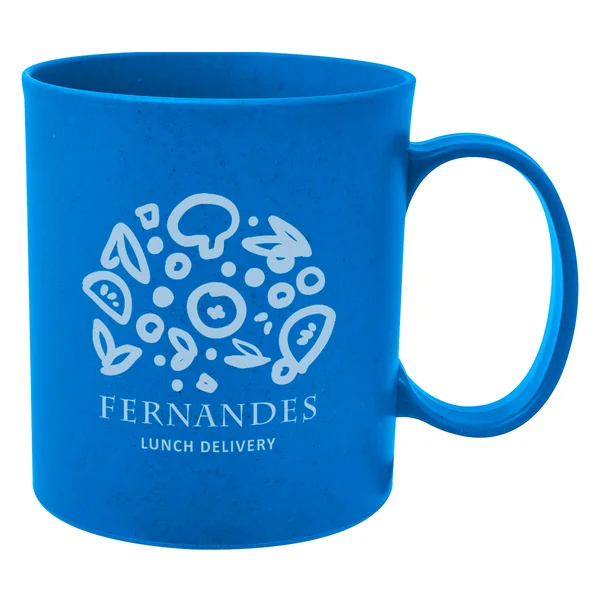
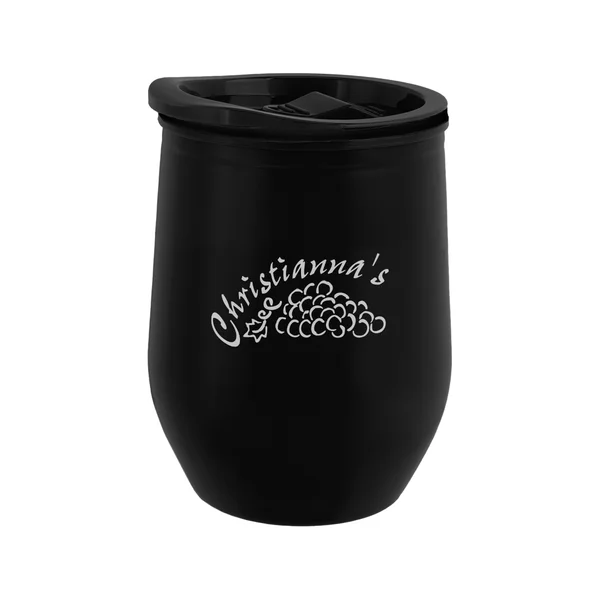
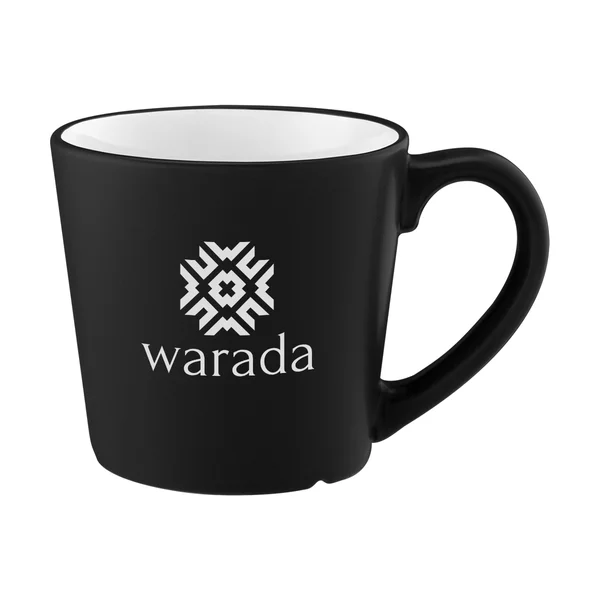
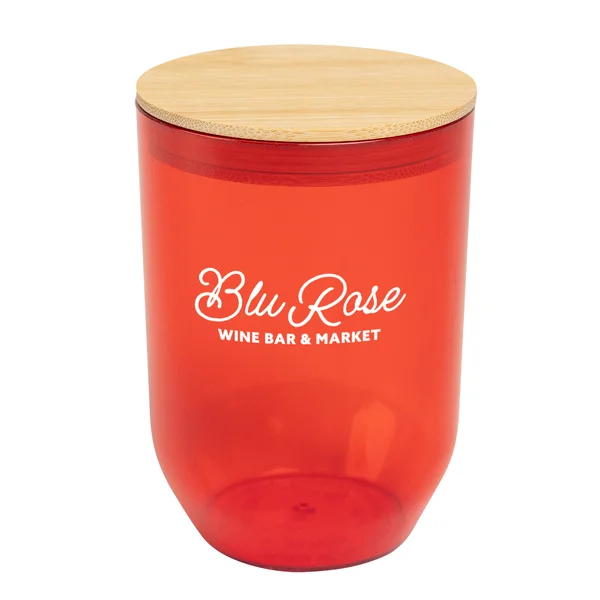
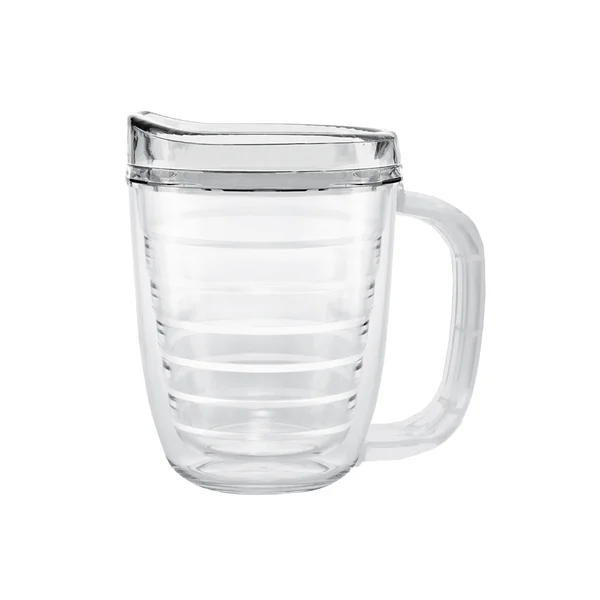
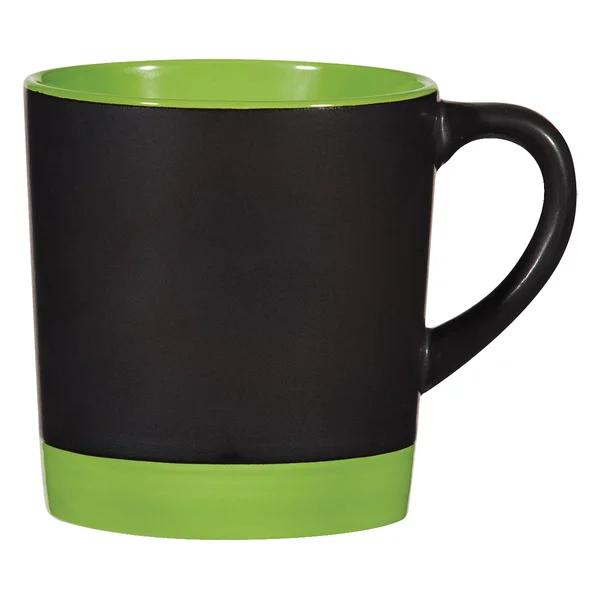
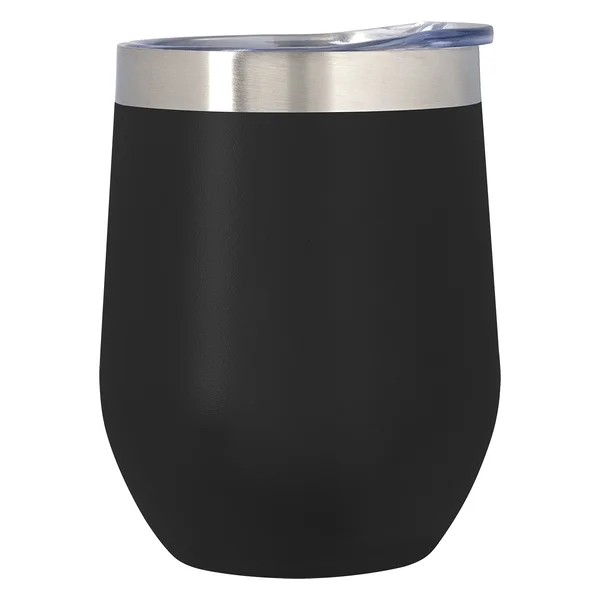
Pick the eco material by the job it has to do
Which eco material fits depends on who's getting the item and what you're using it for, more than on price or the order things sit in a catalog.
Eco friendly corporate gifts cover a wide list of jobs, from client and closing gifts to trade-show giveaways, appreciation packs for patients and staff, new-hire kits, and days out on site.
For a client or closing gift, cork or recycled-paper journals look the part up close, which is why law firms and accountancies reach for them. At a trade show, agencies hand out organic cotton totes or recycled bottles as eco friendly swag people actually keep. When it's time to thank patients and staff, healthcare teams lean on organic-cotton or recycled-paper kits. Out on a site or a ground-breaking, construction crews pick recycled-aluminum water bottles or bamboo hard goods that take a knock and keep going.
We brand eco items for more than 20 industries, and these are only examples. Give us the brief and we'll match yours to it.
What each eco material actually lets you claim
The claim you can honestly make changes with the material. Some sustainable promotional products carry a measurable, third-party-certified credential, and others rest on a recognized but self-described one. Knowing which is which keeps your eco order defensible, if a compliance officer or a CSR report ever asks.
The table below shows what each stocked material lets you honestly say, and how that claim is backed.
| Material | What you can honestly say |
|---|
Promotional eco-friendly products are branded items made from recycled or renewable materials that businesses hand out to promote their name. They work as giveaways, client gifts, trade-show swag, onboarding kits, team apparel, staff appreciation packs, and environmentally friendly corporate gifts.
Some lines carry third-party certification, and others are recognized but self-described. Recycled-content, paper, and cotton items are the ones most often certified, and we tell you which certificate a line holds before you order.
Choose recycled materials like rPET or aluminum when you want a measurable, mainstream claim. Choose organic cotton or cork when the item gets worn or handled and a natural feel matters. Both give you an honest story to tell.
Yes. Tell us what you're doing and we'll shortlist items across materials and decoration methods that fit it.
Some items start at a single unit, others need more. Each product page lists its own minimum, so a small first order is welcome!





| Backed by |
|---|
| Recycled PET (rPET) | Made with recycled plastic, often from used bottles | Recycled-content claim, we confirm which lines are certified |
| Organic cotton | Cotton grown without synthetic pesticides | Recognized growing claim, we confirm which lines are certified |
| Bamboo | A fast-growing, renewable plant material | Self-described renewable claim |
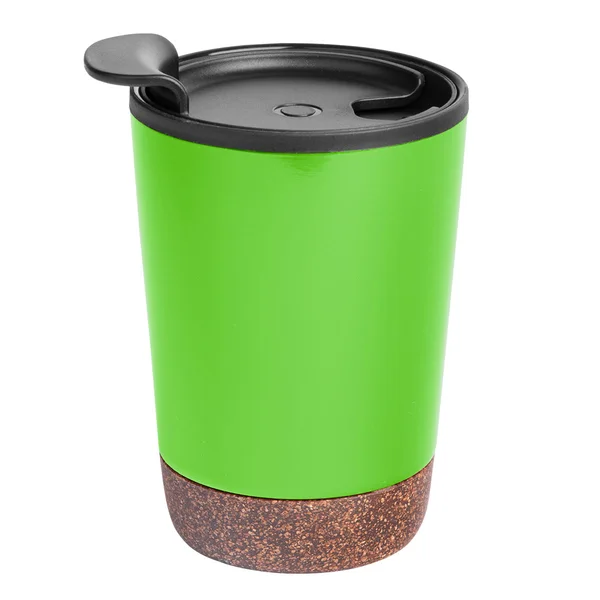
| Cork | Bark harvested without cutting down the tree | Self-described renewable claim |
| Wheat-straw | Partly from wheat-harvest leftovers, blended with plastic | Self-described, partly bio-based, not plastic-free |
| FSC or recycled paper | Paper from recycled stock or responsibly managed forests | Recognized paper claim, we confirm which lines are certified |
| Recycled aluminum | Metal remade from recycled aluminum | Recycled-content claim, certificate confirmed per line before you order |
We tell you which line carries a certificate and which is a recognized material claim before you commit, so you never repeat a number you can't stand behind. Bamboo desk items sit on our drinkware pages, and cork or recycled-paper covers sit with our notebooks and journals.
How the logo goes on is part of the eco story
How you decorate the item is part of how green it ends up. Laser engraving burns your logo into the surface with no ink, so it adds nothing to a hard good like a bottle or a pen. Embroidery stitches your logo in with thread, so it keeps an organic or recycled apparel base honest to its claim.
A heavy plastic-based print that covers most of the surface works against that base, so when you want a claim you can defend, we keep the mark cleaner or engrave it instead. No single method is zero-impact, and we won't tell you otherwise. We tell you only what each material lets you stand behind.
Nothing is produced until you've approved it
Laser-engrave keeps eco materials clean, no ink or coating added to bamboo, wheat-straw, or rPET. Digital proof first, nothing engraved till you approve it. Sample confirmed, we correct at our cost if it's off, minimums as low as 1 unit, one account manager the whole job.
Still deciding? Bamboo is the safe default for logos and text, laser-engrave holds crisp detail without adding anything to the surface. Two forks from here: need color in the mark, not just engrave depth? See full-color options. Ordering apparel instead of hard goods? Embroidery holds up better on fabric, see organic-cotton apparel.